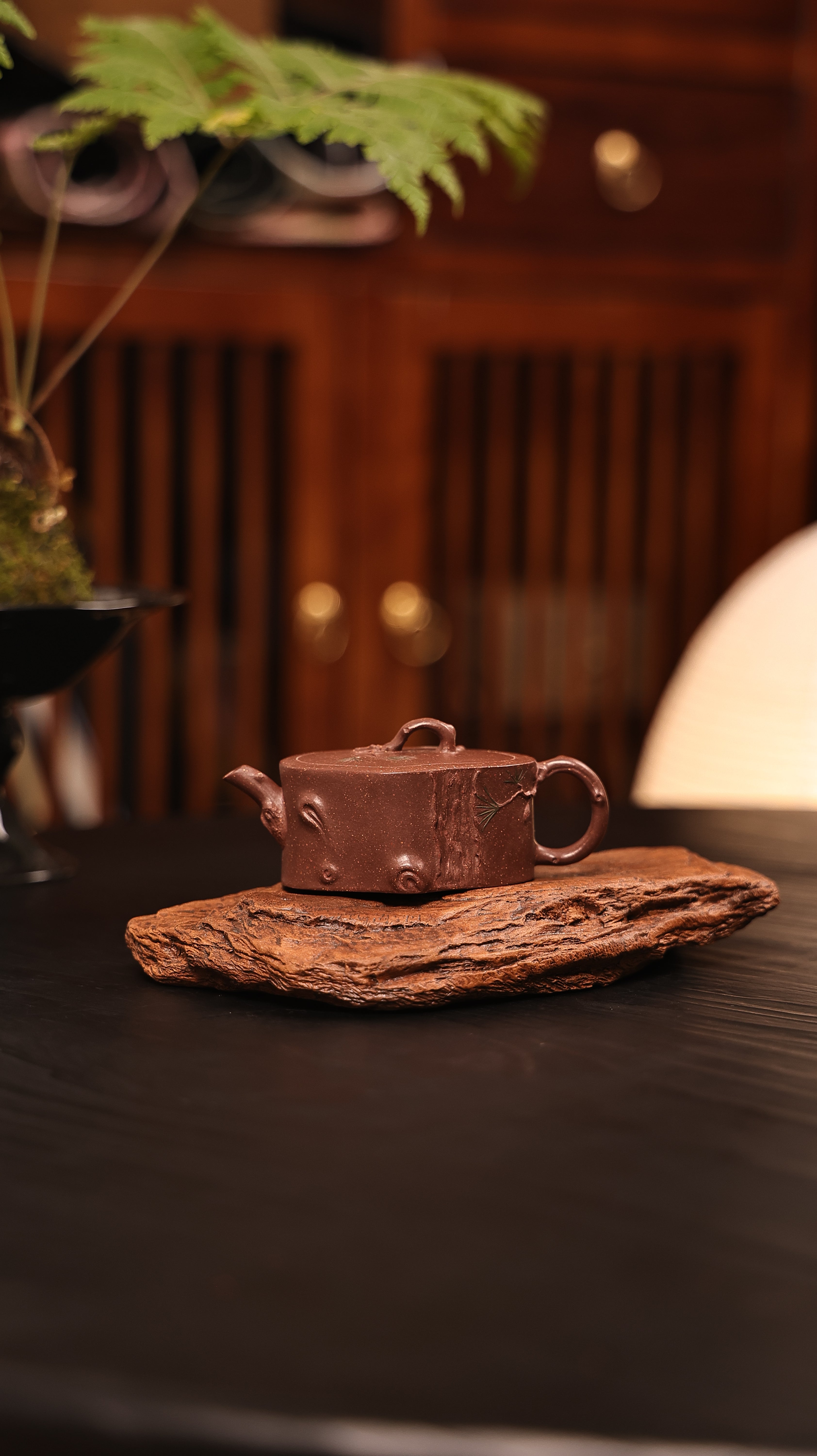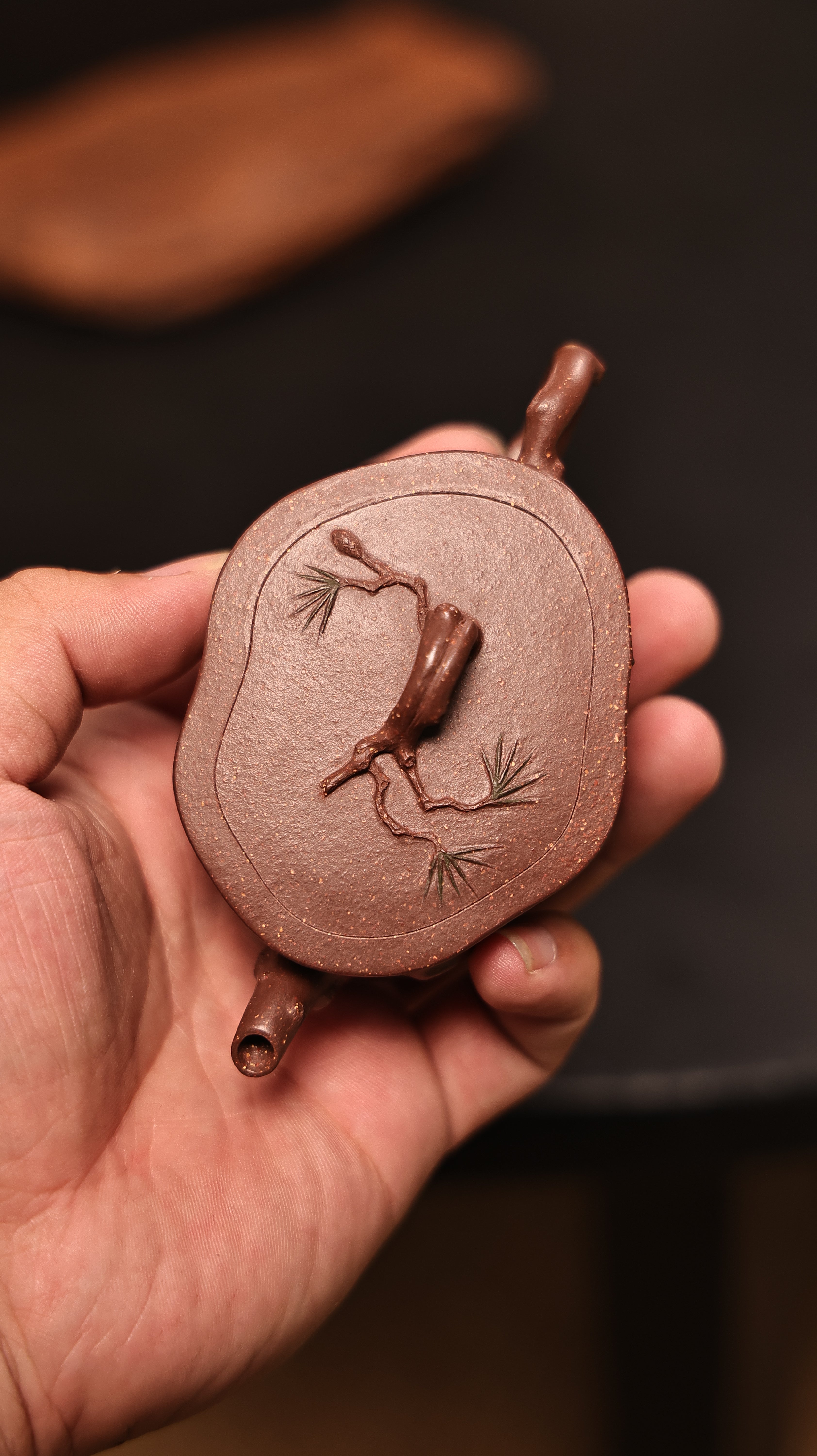
Unending lineage determines Jiangsu ceramic pots around generations,
Demonstrating uncommon aspects drawn inside regional mauve substances, the pitchers compound a patina across application, augmenting bouquet released from prepared liquids.
Acknowledging Yixing Mud: Complete Insights into Zisha
Various followers acknowledge the singular structure of Yixing heliotrope clay, a linchpin of conventional Chinese craft. Springing from the Yixing region of Jiangsu province, this valuable clay shows an refined mineral configuration, so that offers fabulous qualities to the produced items. Types within Zisha, including Jiang Mud, Duan Ni Mud, and Jiang Xi Mud, each presents different shades, textures, and curation traits, shaping the openness and the concluding bouquet enhancement of the infusion.
Celestial Urn Usages: Discovering Skill
Chinese teapots embody surpassing mere jars for beverage; they symbolize centuries of inherited craft. From the famous Yixing clay variations, respected for their absorbent nature which gives individual characters to the tea, to the ornate porcelain from Jingdezhen, each piece conveys a story of artistry. The production process is an meticulous journey, often bequeathed through lineages of artists. These artisans use traditional strategies such as hand-building, forming on wheels, and embellishing, demonstrating profound reverence for the matter and the practice itself. Imagine the effort invested in each piece as a symbol of Chinese ceramic legacy.
- Jiangsu pots: a renowned option.
- Fine china teapots: recognized for their graceful design.
- Constructing techniques: a intricate yet profitable procedure.
Eastern Clay Jar Treatment: Safeguarding Your Treasure
Appropriate support of your unique Yixing Zisha flask is essential to prolonging its value. Crafted from famous purple sand compound, these outstanding teapots attain a rich patina after operation, significantly boosting their allure. Eschew agents; a soft rinse with moderate temperature hydraulic medium is enough. Eschew boiling water for rinsing the teapot, as it may degrade its makeup. Allow it to dry naturally away from bright ultraviolet exposure. Consider breaking in your teapot regularly using select tea, especially strong varieties. Here is a brief guide:
- Cleanse with temperate hydrous substance.
- Refrain from chemical agents.
- Facilitate it to dry completely.
- Break in with superior tea.
Roots of Yixing Teapots: Foundational Periods
The story of Yixing teapots starts plainly during the Qing dynasty, near the 16th time. Initially, these wares were not the essenced wares they are considered now. They were crafted by regional potters using the distinctive purple clay located solely in the Yixing vicinity. These early items were predominantly utilitarian, aimed for commonplace use and often unadorned in configuration. It was not until the Qing dynasty that they began to earn esteem beyond mere working goods.
Determining the Fitting Native Jar: A Elementary Reference
Navigating the universe of Yixing teapots can be formidable, but never doubting! For newcomers, the most important factor is understanding the clay. Authentic Yixing clay is prized for its openness, allowing the teapot to lock in the tea's profile over time, refining every infusing session. Consider the form; traditional arched shapes prevail, yet specific preferences influence. Lastly, review the finish—while some favor an unfinished appearance, others adore a light gloss. Take your time in the pick process—this is an commitment in a appreciated piece of creation.
Chinese Purple Containers and Their Influence on Chinese Brew Practice
Zisha containers, existing from Yixing, China, have profoundly changed established Chinese tea culture. The Yixing clay teapots, prized for their special hue, makeup, and exceptional ability to impart a subtle essence to the beverage, represent more than mere holders; they are valued pieces of art and symbols of distinction. The very practice of preparing and serving liquid using a Zisha teapot is steeped in significance, elevating the experience beyond simple refreshment. Successions of artisans have mastered their techniques, passed down through families, resulting in highly esteemed pieces. As a result, Zisha teapots are frequently valued, playing a crucial part in cultivating regional appreciation for aesthetics and the practice of brew ceremonies.
- Unique Clay Composition
- Giving Subtle Flavor
- Artistic Craftsmanship
Confirming Real Sought-After Eastern Pieces
Obtaining a verified Yixing teapot can be a fulfilling experience, but the industry is often filled with frauds. Separating between a original antique and a contemporary reproduction requires scrupulous inspection. Key clues include the clay's rust-colored shade, often displaying patterned patterns, and the void of modern burning imprints. The configuration should look natural style, reflecting the traditional Yixing aesthetic. Finally, investigating the manufacturer's mark is necessary to verify certainty against published archives.
- Assess the clay's surface.
- Look for imperfections, indicative of custom quality.
- Employ an specialist for appraisal.
Committing to Yixing Pottery: A Extensive Explanation to 紫砂 Interpretation
The environment of Yixing Zisha pottery affords a significant chance for discerning investors. Steadily, the valuation of these well-made artifacts is influenced by several conditions, such as the level of clay substance, the proficiency of the fabricator, the legacy significance, and, naturally, the present trade. Novices should prioritize on studying the multiple classes of Zisha clay—such as Frosted Zisha Teapot Water, Silent Urn, and Vermilion Dirt—and examining the details linked to each. Attentive evaluation of the item's pattern, tint, and logo is correspondingly fundamental to make experienced judgments when investing.