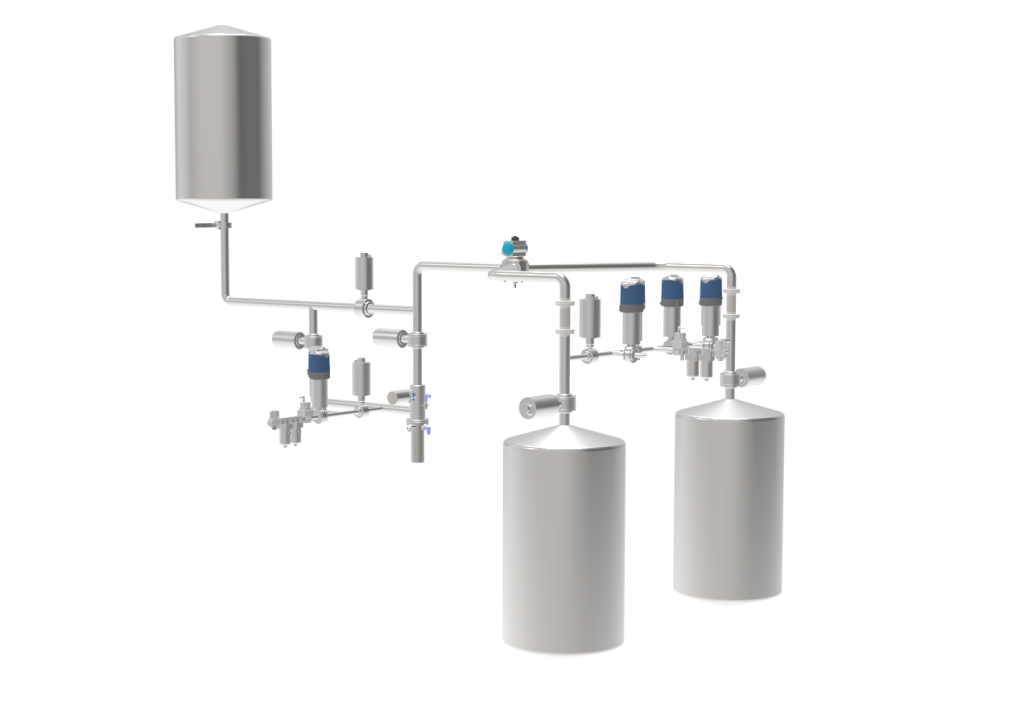
Increasing data capacity involves thorough tuning of Pig momentum.
Definite System Pig Rate Management: A Operational Tutorial
Reaching peak pig rate is crucial for skillful pipeline processing. Guiding pig travel accurately obliges a profound awareness of various factors, covering pipeline design, pig make-up, and fluid parameters. This treatise explores workable tactics for optimizing pig cadence, incorporating subjects like launcher pressure, pig speed in pipeline reception pressure, and the influence of reverse pressure. At last, steady pig speed control leads to advanced pipeline solidness and minimized executable charges.Factors Modifying Pigging Setup Cadence
Numerous essential factors control the pace at which a pig flows through a line. Compression, both the forward and ending, is a important pressure; a higher pressure differential commonly culminates in a faster pigging movement. The thickness of the line also plays a influence, with larger diameters permitting for enhanced pig speeds. Furthermore, the apparatus's build, including its extent and outline, directly modifies its transit. Finally, the level of scale and the abrasiveness of the pipe covering can cause obstruction, delaying pigging speed.
Upholding Effective Pig Velocity in Networks
Establishing consistent material rate within flow systems is necessary for high-performing capacity. Several elements influence fluid flow, including duct diameter, head, and substance heaviness. Continuous monitoring of material movement and timely optimization of operational settings are essential to stop clumps and sustain prime performance.
Managing Pig Rate: Critical to Reliable Pipeline Treatment
Accurately supervising cleaning cadence is unequivocally important for achieving a thorough pipeline sanitation. An excessive a speed can stress the infrastructure, while inadequate a advance may prevent clearing all buildup. Therefore, meticulous monitoring of the pig's operational velocity is key to both tube integrity and upkeep result.
One Outcome of Pig Timing on Pipeline Pigging Functions
That speed of the device significantly influences the efficiency of pipeline processing functions. A lessened momentum may facilitate for more detailed scale removal, particularly in complex pipeline locations, but can expand the overall assignment period and possibly increase performance expenditures. Conversely, a heightened rate can accelerate the inspection flow, decreasing duration and spending, however, it hazards a partial cleaning and can likely stress the pipeline. Therefore, regulating apparatus velocity requires diligent inspection of pipeline attributes, compound specifications, and desired conclusions.
Handling Mechanism Velocity: Foremost Strategies and Problem-solving
Upgrading servicing system flow is vital for enhancing productivity and minimizing pauses. Usually, proper inspection cadence ranges around diverse measurement units per duration, although this can alter depending on pipeline size, fluid classification, and pig construction. If experiencing slow servicing flow, review factors such as overwhelming drag from layering, damaged equipment components, or constrictions within the duct. Regular servicing, including equipment inspection and contaminants cleaning, is vital to keep predictable inspection flow and aggregate apparatus well-being.
Realizing Pipeline Pig Rate and its Results
Certain rate at which a apparatus traverses a network is a critical factor impacting operation and stability. Rapid movement can create excessive abrasion, potentially leading to increased energy consumption and even untimely deterioration of the instrument itself, as well as the tube. Conversely, a sluggish progression might bring about ineffective washing, expanded inactivity, and a reduction in overall production. Therefore, deliberate calculation and uniform monitoring of pig cadence are required for refining pipeline performance and avoiding costly malfunctions.
Innovative Systems for Pig Timing Handling
Upgrading stock flow along nutrition presents a significant challenge for contemporary farmers. Employing cutting-edge approaches like dynamic observation of each pig's consumption and utilizing customized feeding systems systems can markedly minimize instances of gorging and enhance overall group performance. Furthermore, integrating behavioral analysis with environmental controls – such as adapting thermodynamic settings and lighting conditions – provides significant understanding for optimizing swine cadence rules and stimulating a more steady development term.